
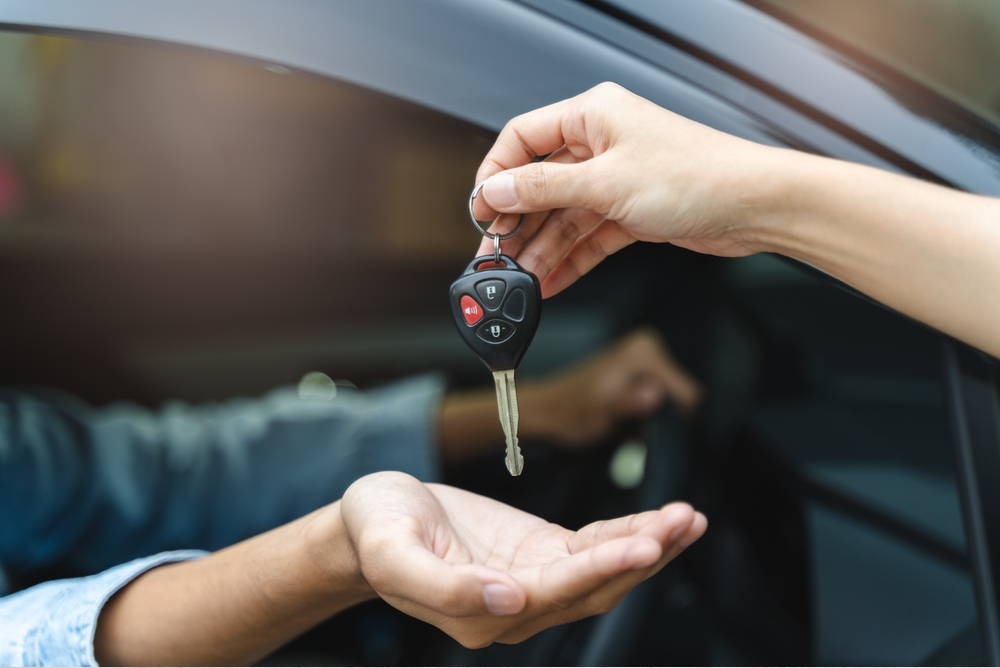
Buying a second-hand car can feel both exciting and slightly nerve-wracking. You’re ultimately saving money, but you’re also making a decision that could either serve you well for years to come or potentially incur expenses that could have been avoided.
This guide walks you through the practical steps, checks, and small but important details that help you buy a used car with confidence.
Why Buying a Second-Hand Car Is a Smart Choice
A large number of Australians are choosing used cars over brand-new ones. There are several reasons for this that we explore below.
Depreciation; A brand new car loses a large chunk of its value the moment it leaves the dealership floor. However, a second-hand car has already been priced with this in mind.
Budget Flexibility; As a result of a lower pricing point, you can often afford a higher-spec model, a better trim level, or a more reliable brand when second hand to that of brand new.
Variety; The used market offers everything from compact commuters, to rugged utes, and family SUVs. You’re not limited to just this year’s releases, but rather an array of past vehicles offering an extensive list of options.
Step 1: Set Your Budget & Total Ownership Costs
-
Purchase Price vs True Cost
Assessing the purchase price of the vehicle is just the beginning of the process. You also need to account for additional costs like that of registration, insurance, and applicable taxes.
Fuel consumption matters too. That high-end car might sound appealing until you’re filling up twice as often as expected.
-
Leave Room for Unexpected Repairs
Set aside a contingency fund. A few thousand dollars as a buffer isn’t excessive; it’s realistic when dealing with all cars let alone second-hand. It gives you breathing space if something needs replacing and you go looking for quality used auto parts.
Step 2: Narrow Down Your Ideal Car
-
Choosing Make & Model Based on Needs
Think about how you’ll actually use the vehicle. Daily city commute? A compact sedan or hatchback makes sense. Growing family? You’ll want space, safety features, and boot capacity. Weekend adventurer? Maybe something with stronger suspension and ground clearance.
Be honest with yourself. We all like the idea of a sporty model, but practicality tends to win in the long run.
-
Reliability & Spare Parts Availability
Some vehicles are known for durability. Others, not so much. Choose wisely.
Also consider spare parts availability. If parts are hard to find or expensive, keeping up with routine maintenance will be a nightmare. If you own a Ford, for example, it’s reassuring to know you can easily get your Ford engine when needed.
Step 3: Research Market Prices & Listings
Before contacting any seller, study the market. Compare prices across multiple platforms. Notice patterns. What’s the average asking price for that year and model with similar mileage?
If a listing seems dramatically cheaper, pause. Sometimes it’s genuine urgency. Sometimes it’s hiding issues. Understanding fair market value gives you negotiation power and perspective.
Step 4: Verify Vehicle History & Documentation
-
Registration & Owner Verification
Confirm that the seller is the registered owner. Check that registration details match the vehicle.
-
VIN Verification
Verify the Vehicle Identification Number (VIN) on the car matches the paperwork. It should be consistent across all documents and stamped locations.
Step 5: Interior & Exterior Inspection Checklist
-
Essential Exterior Checks
Check for paint consistency. If the panels don’t match up right, it’s possible the car has had a few knocks. Take a close look at the gaps between panels and signs of rust, particularly around the wheels and under the doors.
Don’t get too worked up over small cosmetic blemishes. It’s the structural stuff that’s most important.
-
Under the Hood
Fluid leaks, cracked hoses and corrosion around the battery terminals: these are things you don’t want to see. And if the engine bay looks suspiciously like it’s too polished, that may be a sign of hiding things. If you’re not sure, get a mechanic to take a look.
-
Tyres and Suspension
Check tread depth and uneven wear. Uneven patterns can indicate alignment or suspension problems.
-
Safety Features to Inspect
Ensure airbags, ABS, reversing cameras, and sensors function correctly. Modern safety systems are essential, not optional luxuries.
Step 6: Test Drive Tips That Reveal Hidden Issues
A test drive should be deliberate, not casual. Pay attention to steering response. Does the car pull to one side? Listen for unusual engine noises. Notice how smoothly the transmission shifts.
Test the brakes firmly. If they’re vibrating or squealing, that’s a sign of trouble. Lastly, sit quietly for a minute while you’re driving. Road noise and cabin rattles can give you a lot more information than a quick spin around the block.
Step 7: Questions to Ask the Seller or Dealer
Prepare questions beforehand. Why are they selling? Has the car been in accidents? When was the last major service? Are there known issues?
Private sellers may offer lower prices, but dealerships sometimes provide short-term warranties or statutory guarantees.
Ask clearly. Listen carefully.
Step 8: Car Financing & Insurance Options
Used-car loans often carry higher interest rates than new-car financing. Compare lenders before committing.
When it comes to insurance, weigh comprehensive cover against third-party options. Comprehensive gives broader protection, especially for higher-value vehicles.
If you’re trading in your old car, negotiate separately. Don’t let trade-in discussions blur the real purchase price.
Step 9: Finalising the Purchase
Complete paperwork correctly. Ensure transfer forms are signed and submitted within required timelines. Transfer registration and arrange insurance before driving away.
It sounds procedural, but mistakes here can create unnecessary complications later.
Post-Purchase Maintenance & Care Tips
Once purchased, stick to a servicing schedule immediately. Regular servicing prevents larger issues later.
Review any remaining warranty. Keep all receipts and service documentation organised.
If replacement is needed, always stick to genuine parts. For example, if you have a Holden model, get quality Holden parts to complete your repairs.
Conclusion
Buying a second-hand car isn’t about luck. It’s about preparation, inspection, and informed decision-making. Set a realistic budget, research thoroughly, verify documents, inspect carefully, test drive attentively, and ask direct questions.
When you approach the process methodically, you dramatically increase your chances of ending up with a reliable second-hand car.
And if you ever need replacement components or affordable second-hand auto parts, Ozwreck is here to help. We stock a wide range of genuine used auto parts across major makes and models. Call us at (03) 9794 6565 to keep your car running smoothly.


