

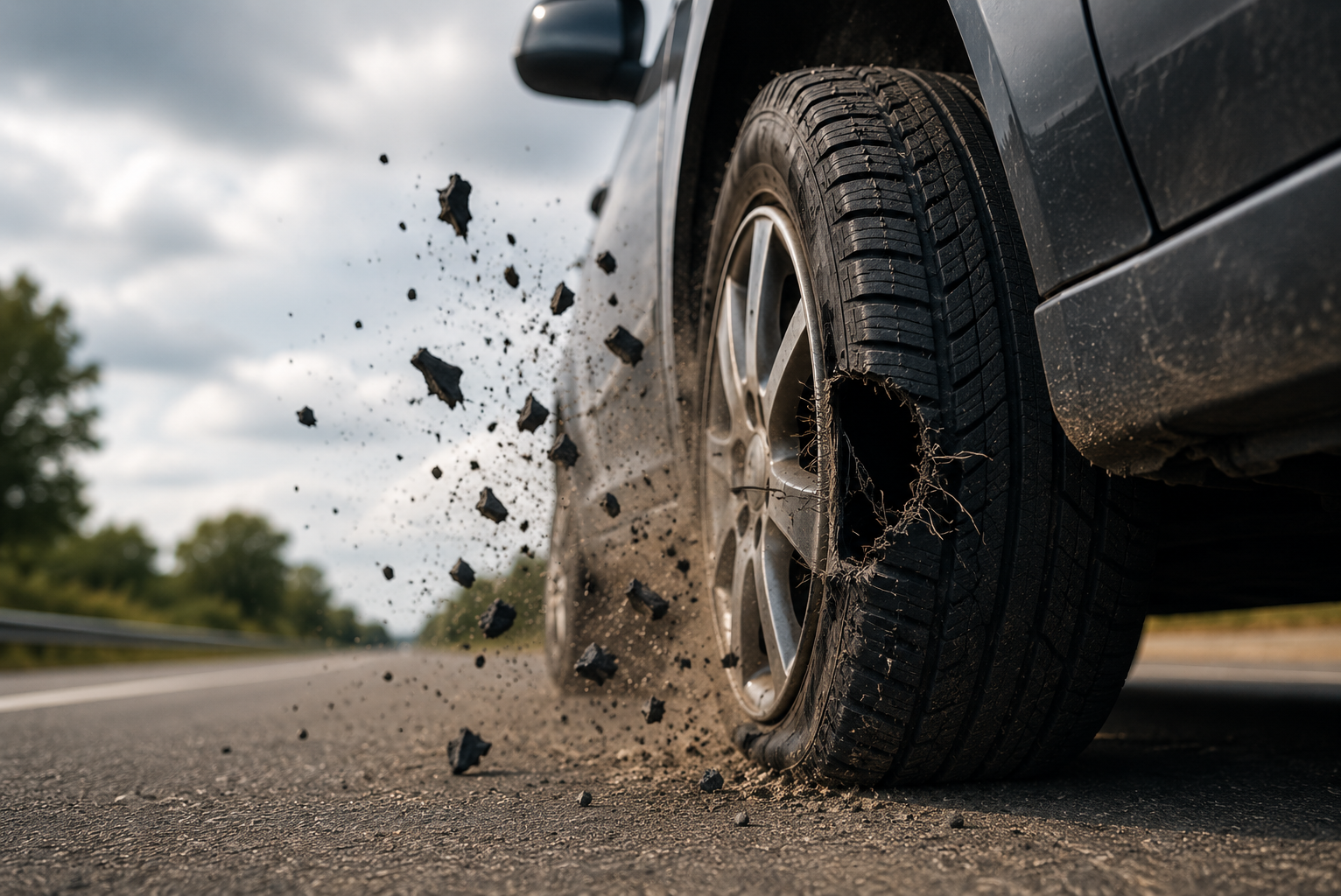
A tyre blowout is one of those things most drivers assume will never happen to them. Until it does. One minute the drive feels normal, then suddenly there’s a loud bang, the steering pulls hard, and the car becomes difficult to control. It can be frightening, especially on highways or during long summer drives.
This article covers what causes tyre bursts, warning signs to watch for, how to prevent them, and how our wreckers in Melbourne can help you with replacement.
What Is a Tyre Blowout?
A tyre blowout happens when a tyre suddenly loses air pressure due to a rupture or structural failure. Sometimes it sounds explosive. Other times, it’s more of a rapid deflation that still throws the vehicle off balance.
What makes it dangerous is the loss of control that follows. At higher speeds, even experienced drivers can panic for a second. And honestly, one second is enough.
Common Causes of Tyre Burst
1. Underinflated Tyres
This is the most common reason tyres fail. When tyres don’t have enough air, more surface area touches the road, creating excess heat. Over time, that heat weakens the tyre structure.
A lot of drivers skip pressure checks because the tyres “look fine.” The problem is, tyres can be seriously underinflated without appearing flat.
2. Overloaded Vehicles
Every car has a weight limit, but it’s easy to forget this during road trips or when moving. Carrying too much weight puts extra pressure on the tyres, especially when braking or turning.
Overloading a vehicle can wear out tyres much faster than you might expect.
3. Road Hazards
Potholes, nails, broken glass, and other road debris can damage tyres right away or cause slow damage that gets worse over time. Melbourne roads aren’t the worst, but they can still be tough on tyres. Even skilled drivers sometimes can’t avoid hitting a pothole.
4. Worn-Out or Old Tyres
Tyres lose grip and durability as tread depth wears down. Cracks in older rubber also increase the chance of failure.
If the tread looks smooth or uneven, don’t ignore it. Good tyres matter more than many people realise during emergency braking.
5. High Temperatures & Long Drives
Australian summers can be brutal on tyres. Long-distance driving in hot weather increases internal tyre pressure and heat buildup. Combined with underinflation, it becomes risky very quickly.
6. Manufacturing Defects
This doesn’t happen often, but it’s possible. Faulty materials or poor construction can cause tyres to fail suddenly, even if they’re new.
Warning Signs Before a Tyre Blowout
Most tyres show small warnings before they fail completely:
- Vibrations while driving
- Bulges or sidewall cracks
- Frequent pressure loss
- Uneven tread wear
- A burning rubber smell after driving
Some drivers notice these signs but put off getting their tyres checked, often just because life gets busy. Still, it’s important to take these warnings seriously.
What Happens When a Tyre Bursts?
A burst tyre can cause sudden steering instability and vehicle imbalance. The car may pull sharply to one side, especially if a front tyre fails.
At high speeds, the danger increases because drivers often react instinctively by braking hard. That usually makes things worse.
How to Prevent Tyre Blowouts
- Check Tyre Pressure Regularly
Check tyre pressure at least once a month and before long trips. Follow the manufacturer’s recommended PSI, not guesses from a petrol station conversation.
- Avoid Overloading Your Vehicle
Pay attention to weight limits, especially during holidays or when moving heavy equipment.
- Inspect Tyres for Damage
Do a quick weekly inspection for cracks, nails, cuts, or uneven wear. It takes less than two minutes.
- Rotate and Align Tyres
Rotating your tyres and keeping the wheels aligned helps them wear evenly and last longer.
- Replace Old Tyres on Time
Tyres age even if you don’t use them much. Most manufacturers recommend replacing them every 5 to 6 years.
- Drive Carefully on Rough Roads
Slow down when you see potholes or rough roads. Defensive driving can protect your tyres more than you might think.
What to Do If a Tyre Bursts While Driving
The most important thing is to stay calm. That matters.
Hold the steering wheel firmly and don’t slam on the brakes. Gently ease off the accelerator and let the car slow down on its own. Once you’re in control, carefully move to a safe spot at the side of the road.
Knowing basic emergency steps, including how to change a flat tyre safely, can make a stressful moment easier to handle.
Tyre Safety Checklist (Quick Guide)
- Check tyre pressure monthly
- Inspect tread depth regularly
- Avoid overloading the car
- Rotate tyres routinely
- Replace damaged or ageing tyres
- Slow down on rough roads
- Keep a spare tyre ready
Tyre Blowout Myths vs Facts
Myth: New tyres never burst
Fact: Incorrect pressure can damage even brand-new tyres.
Myth: Blowouts only happen at high speed
Fact: Tyres can fail at lower speeds too, though highway blowouts are usually more severe.
Myth: Visual inspection is enough
Fact: Internal tyre damage isn’t always visible from outside.
Conclusion
Tyre blowouts are dangerous, but many are preventable with regular checks and sensible driving habits. A little maintenance now can prevent expensive repairs, accidents, or worse later.
Good tyre care is also part of smarter car-buying advice because a vehicle’s condition means very little if the tyres are unsafe.
Looking for Quality Replacement Tyres and Parts?
At Ozwreck, we supply genuine secondhand parts for many vehicle makes and models, including Ford and Holden parts. If a burst tyre leaves you needing replacements, we stock wheels, mags, and quality secondhand tyres at competitive prices. Our experienced wreckers in Melbourne team can also help you find the right fit quickly.
Call us at (03) 9794 6565 and contact for tyres and reliable used auto parts today.
FAQs
Can new tyres burst?
Yes. Poor inflation, road hazards, or defects can still cause new tyres to fail.
How often should I check tyre pressure?
At least once a month and before long-distance driving.
Is it safe to drive after hitting a pothole?
Not always. Inspect the tyre afterwards because hidden sidewall damage can develop.
What speed is most dangerous during a blowout?
Higher speeds are generally more dangerous because sudden loss of control becomes harder to manage.